
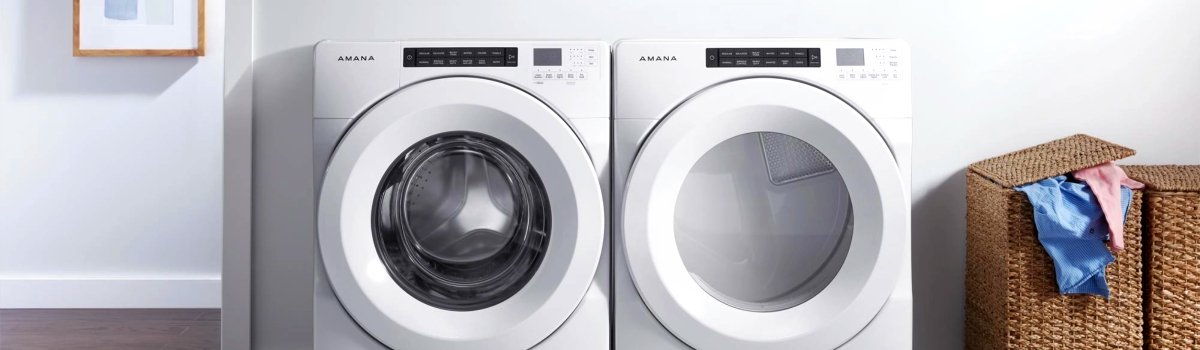
Seeing “Other F# E# code” on your Amana washer display can be confusing and a little annoying. It doesn’t look like a normal, specific error like F5 E1 or F9 E1. Instead, it basically means the control has detected “some other fault” that doesn’t fit the more common, named error codes.
The good news: in many cases, this doesn’t mean your washer is done for. It often points to a temporary glitch, a loose connection, or a problem that can be narrowed down with a few simple checks at home. The bad news: you can’t always know the exact hidden code without pro tools, so you’ll need to work through the basics step by step.
This guide will walk you through:
- What the “Other F# E#” message usually means
- The most common causes behind it
- What you can safely try yourself at home
- How to prevent these kinds of errors from coming back
The goal is simple: help you decide whether this is a quick DIY fix or a situation where it’s smarter to bring in a professional Amana washer technician.
What Is the “Other F# E#” Error on an Amana Washer?
On many Amana models, error codes show up as an F-number + E-number pair (for example, F7 E1). When the control board catches a fault that doesn’t land in the usual list of codes, it may report it as “Other F# E#”. Think of it as a generic “miscellaneous error” bucket.
In plain language, that message usually means:
- The washer’s control knows something went wrong
- The fault doesn’t match the typical, documented codes shown in the user guide
- The machine might need a reset, a connection check, or deeper diagnostics
Sometimes, it’s triggered by a one-time power glitch. Other times, it hints at an internal issue: a sensor reading out of range, a motor momentarily stalling, or a communication problem between boards.
You don’t need to understand every internal part to do some smart troubleshooting, but it helps to know what’s most likely going on behind that vague message.
Possible Causes of “Other F# E#” on Your Amana Washer
There isn’t just one cause for this error. Instead, the washer is basically saying, “I saw an error, but it’s not one of my usual ones.” A few common scenarios tend to trigger that:
Power and control issues are big ones. A sudden power dip, a breaker that’s a bit weak, or plugging the washer into a loose outlet can confuse the electronic control board. When the board doesn’t like what it sees, it may throw a generic error message instead of a clean, specific one.
Another frequent cause is wiring or loose connections inside the machine. Over time, vibrations from spin cycles can work connectors slightly loose. A sensor or motor that loses its connection for a moment can send data that doesn’t match any “normal” pattern, which can land in the “other error” category.
Water-related components can also be behind the scenes. If a pressure sensor, temperature sensor, or water level system briefly sends readings that don’t make sense, the control might not recognize them as a familiar, named code. The result: a vague “Other F# E#” code instead of something like “low water level” or “no drain.”
You might also see this message if the washer is overloaded, badly unbalanced, or packed with the wrong type of detergent. When the motor is struggling, the drum can’t spin properly, or suds get out of control, sensors may report unusual values.
When you see this error, you can think about it this way: something about how the washer is powered, connected, or loaded made the control board uncomfortable.
Signs It’s More Than Just a One-Time Glitch
Sometimes this message flashes once and never comes back. Other times, it keeps popping up and blocking your normal wash cycles. A repeated “Other F# E#” error can signal a more persistent problem. Common signs that it’s not just a fluke include:
- The washer stops mid-cycle more than once
- You hear it try to start, then shut down and show the error
- The drum doesn’t spin or agitate at all
- You notice odd smells, buzzing, or clicking sounds along with the code
If the error appears repeatedly, it’s worth working through a few careful DIY checks before you decide it’s time for professional diagnostics.
First Step: Safe Reset and Basic Checks
Before you grab tools or start opening panels, start with the simplest, safest reset. Many “other” errors are cleared just by giving the control a fresh start.
Unplug the washer from the wall outlet and leave it unplugged for at least one or two minutes. If you can’t easily reach the plug, you can switch the dedicated breaker off at the electrical panel instead. The idea is to let the control board fully power down and discharge.
While the machine is off, take a quick look around it. Check that the power cord is fully seated in the outlet, the drain hose is not kinked or crushed, and the water supply hoses are not twisted or leaking. These simple checks may reveal a physical problem that pairs with the error message.
After the brief pause, plug the washer back in or flip the breaker on. Then, choose a basic cycle with no clothes in the drum and let the machine try to run. If the code is gone and the washer completes a short test wash successfully, it may truly have been a one-time glitch.
DIY Troubleshooting Steps You Can Try
If the error returns after a reset, it’s time to dig a little deeper—but still within safe, homeowner-level steps. You don’t need to tear the machine apart to do these.
Start by looking at how the washer is loaded. If you’ve been packing huge, tightly rolled loads or mixing heavy items with delicate ones, the drum may be struggling to spin. Redistribute your laundry more evenly, adjust the size of your loads, and see if the error behaves differently on a smaller test load.
Next, think about detergent and suds. High-efficiency washers like Amana models are picky about detergent type and quantity. Using non-HE soap or too much detergent can cause excessive suds. That can interfere with sensors and drum movement in ways that don’t fit normal error patterns. Switching to a measured amount of HE detergent and running a rinse or clean cycle can help.
It’s also worth checking for anything that may be blocking movement inside the drum. Sometimes a small clothing item or foreign object can get stuck between the inner and outer tub or wedge around the door seal. If the washer struggles during spin or drain, the control might see unusual feedback and label it as an “other” fault.
You can also listen carefully while the machine runs a short cycle. If you hear grinding, loud knocking, or a high-pitched squeal, those noises may point toward mechanical issues like bearings, drive components, or the motor. While you usually don’t want to go repairing those yourself without experience, paying attention to the sounds can help you decide how urgent the issue is.
When You Shouldn’t Push DIY Too Far
Not every “Other F# E#” situation is safe for a full DIY approach. There are clear signs that it’s better to stop experimenting and avoid creating a bigger, more expensive problem.
If you smell burning, see smoke, or notice the breaker tripping more than once when the washer runs, stop using the appliance immediately. Continuing to power a washer that’s shorting out can damage circuitry and create a fire risk.
If you open any access panels and see scorched connectors, melted plastic, or wires that look obviously damaged, that’s also the point where a professional should take over. Internal wiring and boards are not a good place to “guess and check” without training.
And if the error appears the moment you start the cycle and the machine refuses to do anything at all—no filling, no motor movement, no sounds—that can signal a control board or communication issue that generally requires tools and knowledge beyond basic home repair.
Everyday Habits That Help Prevent “Other F# E#” Errors
Even if the code goes away after a reset, it’s smart to adjust a few habits so you’re less likely to see this type of vague error again. Small changes in how you use and maintain your Amana washer can make a big difference.
Make sure your washer has a stable electrical supply. Plug it directly into a properly grounded wall outlet, not a long, lightweight extension cord or power strip. If you live in an area with frequent power blips or storms, consider using a properly rated surge protector to shield the electronics.
Think about where the washer sits, too. A machine that rocks, vibrates excessively, or is slightly off level will work harder and can send weird feedback to the control during spin. Adjust the leveling feet so the washer is solid and doesn’t wobble when you push on the corners.
Your loading habits also matter. Aim for medium-sized, balanced loads instead of cramming the drum full or running a single heavy item at a time. Spread items evenly around the drum, and avoid packing laundry into a tight ball. This helps keep the motor, suspension, and sensors within normal operating ranges.
Detergent choice and maintenance routines can also prevent strange errors. Stick with high-efficiency detergent, follow the measuring lines, and occasionally run a washer cleaning cycle to clear out residue, odor, and buildup that can interfere with operation and sensors over time.
Keeping the Washer Clean and Clear
A clean machine tends to throw fewer mystery codes. While “Other F# E#” doesn’t always point directly to dirt or buildup, keeping things clean can eliminate several potential causes behind the scenes.
Wipe down the door seal regularly, especially if you have a front-load model. Coins, hairpins, and other small items can lodge inside the gasket and eventually work their way into harder-to-see areas. That can affect drainage and drum movement.
Check the drain pump filter or access area if your model has one. Lint, small clothing items, and debris can collect there, making the pump work harder and sometimes confusing the control system if water doesn’t move as expected.
Don’t forget the detergent drawer. Over time, detergent and fabric softener can build up, harden, and restrict flow. That doesn’t always generate a specific error code, but it can alter the way the washer fills and rinses, which again can send odd signals to sensors.
By building a habit of regular cleaning and inspection, you reduce the number of “weird” conditions the control has to deal with—and that can make “Other F# E#” much less likely to appear.
When It’s Time to Call a Professional
If you’ve tried a reset, checked your load and detergent, listened for unusual sounds, and the “Other F# E#” message still comes back, your washer may need professional diagnostics. Behind that generic message, there might be a more specific internal code that only a service tool can read.
A professional Amana washer technician can look at:
- The control board’s stored error history
- Voltage and continuity on sensors and wiring harnesses
- Motor, pump, and door lock operation under load
That deeper testing can pinpoint whether you’re dealing with a failing sensor, a control board problem, a motor or drive issue, or another internal fault that isn’t obvious from the outside.
The key point: you don’t have to ignore the code or panic about it. Use this guide to handle the basics confidently, protect your appliance, and decide when it’s the right moment to have a trained technician step in. That way, your Amana washer can get back to doing what it’s supposed to do—quietly cleaning your laundry—without mystery codes constantly popping up on the display.