
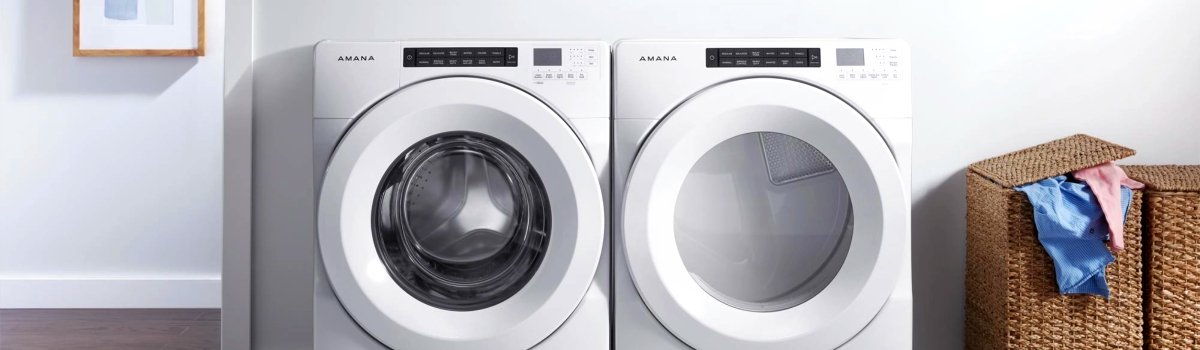
When your Amana washer suddenly stops and flashes Error Code F5 E2, it can feel pretty annoying—especially if you just loaded a full basket of laundry. The good news? This code usually points to a very specific issue: the washer door is not locking properly.
That doesn’t automatically mean something major is broken. Often, it’s a combination of a sticky latch, a misaligned door, a bit of laundry stuck in the seal, or a simple electronic glitch. With a calm approach and a few basic checks, many homeowners can handle this error on their own.
In this guide, we’ll walk through:
- What F5 E2 means in plain language
- The most common causes of the problem
- DIY steps you can try at home
- Smart preventive habits to keep the error from coming back
The goal is to help you understand what’s going on, feel less stressed, and decide when it’s something you can handle yourself—and when it’s better to stop and call a professional.
What Is Amana Error Code F5 E2?
On Amana washers, F5 E2 (sometimes shown as F5E2) is a door lock error. The control board expects the door to lock before it starts or continues a cycle. If it tries to lock and doesn’t see the correct signal, it throws this code and stops the machine for safety.
In simple terms:
The washer is saying, “I tried to lock the door, but something isn’t right. I’m not going to spin or wash until it’s safe.”
You’ll often notice one or more of these signs:
- The cycle won’t start, or stops right after you hit “Start”
- You hear clicking near the door, but it doesn’t actually lock
- The washer pauses mid-cycle and displays F5 E2
- The door either won’t lock or won’t unlock at the right time
Understanding that this is a safety feature helps. The washer is designed to protect you and your home from water leaks, spinning with the door open, or other unsafe conditions.
Main Causes of F5 E2 on an Amana Washer
There isn’t just one reason for this error. Several small things can trigger it, and many of them are easy to overlook when you’re in a hurry.
Here are common causes for F5 E2:
- Door not fully closed
The door may look shut, but it’s not firmly latched—maybe from a blanket, sleeve, or sock caught in the door seal. - Obstruction in the latch area
Detergent residue, lint, or foreign objects (coins, hairpins, buttons) can keep the latch from engaging smoothly. - Misaligned door or worn hinge
Over time, heavy use or leaning on the door can cause minor alignment issues, so the latch doesn’t line up perfectly. - Faulty door lock mechanism (door lock switch/assembly)
The internal lock mechanism might be worn, damaged, or simply failing due to age. - Loose or damaged wiring to the door lock
Vibration or previous repairs can cause connections to loosen or wires to wear. - Control board sensing glitch
Less common, but possible—the control board isn’t reading the door lock signal correctly, even if the door actually locks.
It’s helpful to start with the simple physical checks before assuming you have a big electrical problem.
Quick Checks Before You Start Taking Things Apart
Before you grab tools or start disassembling anything, try a few basic checks. These can sometimes clear the error with almost no effort.
- Cancel the cycle and unplug the washer
- Press “Cancel” or “Pause/Cancel,” then unplug the unit for a minute or two.
- Plug it back in and see if the error returns.
- Check the door physically
- Open and close the door firmly.
- Make sure nothing is caught between the door glass and the rubber seal.
- Listen for the lock clicking
- Start a cycle and listen closely.
- One or more clicks without a proper lock can point toward a latch or lock issue.
If these quick steps don’t help, move on to more detailed DIY troubleshooting.
DIY Troubleshooting: Step-by-Step Guide
You don’t need to be an appliance technician to do some basic diagnostics. The key is to work slowly, stay safe, and avoid forcing anything.
1. Make Sure the Door Is Truly Closed
This sounds almost too simple, but it’s one of the most common reasons for F5 E2.
- Open the door completely.
- Check around the door seal (gasket) for:
- Small socks
- T-shirt hems
- Drawstrings
- Towels or bedding bunched up
Gently push the drum contents back so nothing presses the door out when you close it. Close the door firmly until you feel or hear it latch.
If the error disappears after this, it was just a door not fully closed issue.
2. Inspect and Clean the Door Latch Area
If the door is closing but not locking, take a closer look at the latch.
- With the washer unplugged, inspect:
- The metal or plastic latch on the door
- The lock opening on the cabinet where the latch goes in
Look for:
- Layered detergent buildup
- Rust or corrosion
- Lint, hair, or foreign objects
- Bent or damaged latch parts
If you see buildup:
- Use a soft cloth slightly dampened with warm water to wipe away residue.
- Avoid harsh chemicals that might damage plastic parts.
- Make sure the latch and surrounding area are completely dry before testing again.
Then reconnect power and try a short cycle to see if F5 E2 is gone.
3. Check for Door Misalignment or Hinge Play
If the door looks even slightly sagged or misaligned, the latch may not line up properly with the lock.
Signs of misalignment:
- You have to lift or push the door to make it close.
- The gap around the door looks uneven.
- The latch doesn’t slide smoothly into the lock opening.
What you can do:
- With the washer unplugged, gently test the door:
- Move it up and down.
- Move it in and out.
- A little play is normal, but excessive looseness suggests hinge wear.
In some cases, slightly tightening accessible hinge screws (if visible and reachable from the front) can reduce play. If the hinge itself is bent or badly worn, it may require replacement.
4. Perform a Simple “Power Reset” on the Washer
Sometimes the electronics just need a clean restart, especially after a power fluctuation or a door slamming event.
Try this basic reset:
- Turn the washer off and unplug it.
- Leave it unplugged for about 5–10 minutes.
- Plug it back in and power it up.
- Select a simple cycle (like a quick wash or rinse & spin) and close the door firmly.
- Hit “Start” and watch whether the door locks without the error appearing.
If the F5 E2 code disappears and doesn’t return, the error may have been a temporary glitch.
5. When to Suspect the Door Lock Assembly
If the door is clearly closing well, the latch area is clean, the door isn’t sagging, and resets haven’t helped, the door lock assembly itself might be failing.
Common signs of a faulty door lock:
- No clicking sound at all when you hit “Start”
- Repeated clicking without locking
- Door stays locked even after the cycle should be complete (or after unplugging and waiting)
- F5 E2 appears immediately when you try to start any cycle
Typical DIY steps (for confident users):
- Unplug the washer and pull it slightly away from the wall.
- In many front-load designs, the door lock assembly is accessible after removing the front panel or a retaining ring around the door boot.
- Visually inspect the lock for:
- Burn marks
- Cracked plastic housing
- Loose or disconnected harness plugs
If you see obvious physical damage or broken connectors, the best solution is usually to replace the door lock assembly with a compatible part. This is often within reach for experienced DIYers who are comfortable removing panels and reconnecting wiring harnesses. If you’re not comfortable working around electrical components, it’s safer to leave this to a professional.
6. Wiring and Control Board Issues (Advanced)
In some cases, the door lock itself is fine, but the washer still thinks the door isn’t locking. That can point to:
- Loose or damaged wires between the door lock and the main control board
- Corroded connectors
- Fault on the control board (less common, but possible)
These diagnostics usually involve:
- Multimeter testing
- Inspecting wiring harnesses inside the cabinet
- Checking continuity through the lock switch and harness
Unless you’re familiar with electrical testing and comfortable opening up an appliance cabinet, this is an area where professional service is recommended. It’s easy to misdiagnose a control board issue and end up replacing parts unnecessarily.
Safety Tips While Working on an Amana Washer
Even though you’re just dealing with a door lock problem, safety comes first.
Keep a few simple rules in mind:
- Always unplug the washer before touching internal parts, the door lock assembly, or wiring.
- Don’t bypass or jumper the door lock for “testing” while running a cycle. That defeats safety features and can be dangerous.
- Avoid forcing the door open if it’s locked mid-cycle—wait a few minutes after unplugging to let the lock release.
- If you smell burning, see scorch marks, or notice melted plastic near the door lock, stop troubleshooting and treat it as a serious electrical issue.
Respecting these basics protects both you and your appliance.
Preventing Amana F5 E2 from Coming Back
Once you’ve cleared the error, it’s smart to build a few habits that reduce the chance of seeing it again.
Here are practical prevention tips:
- Avoid overloading the washer
- Heavy, overstuffed loads can push against the door and strain the latch and lock.
- Leave a little space at the top of the drum so clothes can move freely.
- Don’t slam the door
- A firm close is good. Repeated slamming can damage the latch, lock, or hinges over time.
- Clean the door seal and latch regularly
- Wipe detergent residue, lint, and debris from the gasket and latch area.
- Doing this once every week or two helps keep the door closing smoothly.
- Be careful with bulky items
- For things like comforters, blankets, and large towels, distribute them evenly.
- If everything is bunched up near the door, it can put pressure on the lock.
- Watch for early signs of wear
- If the door starts needing a “lift and push” to close, or you notice a looser feel than before, don’t ignore it.
- Addressing hinge or latch issues early can prevent repeated F5 E2 errors.
- Keep the washer level
- A badly unlevel machine vibrates more, which can shake connections and stress components, including the door lock.
- Adjust the leveling feet so the washer sits solidly on the floor with minimal movement during spin.
These small habits go a long way toward keeping your washer door locking consistently and your cycles running smoothly.
Final Thoughts
Amana Washer Error Code F5 E2 is frustrating, but it’s also very specific: your washer is warning you that the door isn’t locking properly. The cause can be as simple as a small item stuck in the door seal or as complex as a failing lock assembly or control board.
By:
- Understanding what the code means
- Checking for simple physical issues
- Cleaning and inspecting the latch area
- Resetting the washer’s electronics
- Practicing a few easy preventive habits
…you can often clear the error and keep your washer running safely and reliably.
Use this guide as a step-by-step reference. Work slowly, stay safe, and don’t be afraid to stop and call in a professional if you hit something that feels beyond your comfort zone.