
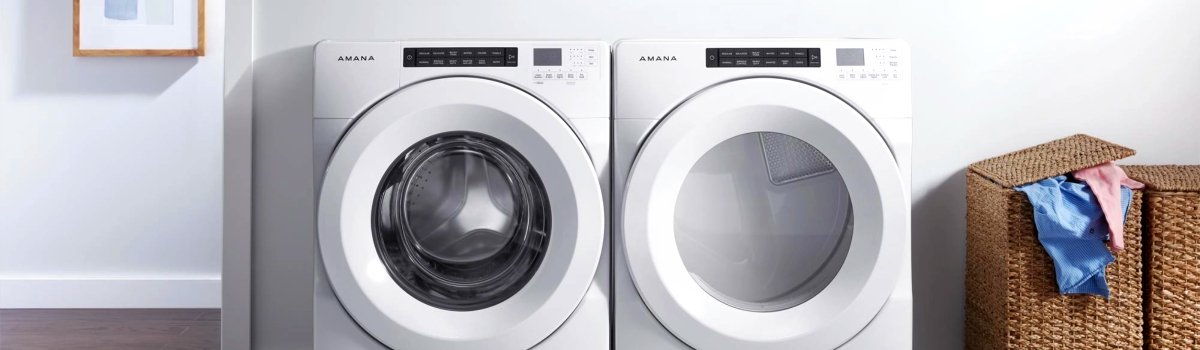
When your Amana washer suddenly flashes Error Code F8 E2, it can feel like your laundry day just hit a wall. The good news? This code is usually tied to a specific system — the dispenser — and in many cases, you can fix it yourself with a bit of cleaning and basic checks.
This guide breaks down what F8 E2 actually means, why it happens, how to troubleshoot it step by step, and what you can do to keep it from coming back. Everything is written in simple, everyday American English, so you don’t need to be a technician to follow along.
What Does Amana Error Code F8 E2 Mean?
The F8 E2 error on an Amana washer points to a problem with the dispenser system — the part of the machine that releases detergent (and sometimes softener or bleach) at the right time during the cycle.
In simple terms, the washer is saying:
“I tried to use the dispenser, but something isn’t working right.”
That “something” can be:
- A clogged or dirty detergent drawer
- A misaligned or blocked detergent cartridge
- A problem with water getting to the dispenser area
- A temporary control or sensor glitch related to the dispenser
When this system doesn’t work correctly, detergent may not reach the drum, which means clothes don’t get properly washed. If you ignore the error for a long time, you might notice:
- Clothes coming out less fresh
- Detergent left in the drawer
- Cycles that seem “off” or don’t clean as well
So even though F8 E2 isn’t a “your washer is dying” kind of error, it shouldn’t be ignored if you want good washing performance.
Main Causes of F8 E2 on Amana Washers
Here are the most common reasons this error shows up on the display:
- Clogged detergent drawer or dispenser tray
Detergent residue, fabric softener buildup, or undissolved powder can block the flow of water and detergent. - Blocked or mispositioned detergent cartridge
If your washer uses a cartridge system, it may not be seated correctly or could be blocked with dried soap. - Low or restricted water flow to the dispenser
Kinked hoses, partially closed water valves, or clogged inlet screens can reduce water going to the dispenser area. - Using too much or the wrong type of detergent
Non-HE detergent or too much product can create heavy suds and buildup, affecting the dispenser’s operation. - Internal dispenser system issues
In rarer cases, a faulty water valve, sensor, or control board related to the dispenser can trigger F8 E2.
Most of the time, the cause is simple buildup or misalignment, which you can handle on your own with basic tools and a bit of patience.
Safety First Before You Start
Before doing any kind of work on your washer, even basic cleaning, take a moment to set things up safely.
Unplug the washer from the outlet so you’re not working on a live appliance. If the plug is hard to reach, switch off the dedicated breaker for the washer in your electrical panel. This helps prevent accidental shocks while you’re handling wet parts or reaching around the dispenser area.
You’ll also want good lighting and maybe an old towel handy, because you’ll be dealing with water, detergent residue, and small parts that could drip or make a mess. If the washer just finished a hot cycle, give it a few minutes to cool down so the inside and hoses aren’t too hot to touch.
Once you’re set up and the washer is powered off, you’re ready to actually tackle the error.
DIY Troubleshooting Steps for Amana F8 E2
Let’s go through practical actions you can take at home before thinking about professional service. These steps focus on cleaning and restoring normal water and detergent flow to the dispenser system.
Step 1: Remove and Inspect the Detergent Drawer
Pull the detergent drawer or dispenser tray all the way out. On many Amana models, you’ll need to press a small release tab to fully remove it — don’t force it; look for a button or latch inside the drawer track.
Once the drawer is out, take a close look at:
- The main detergent compartment
- Any softener or bleach compartments
- The underside and corners of the drawer
If you see thick residue, gooey softener, crusty powder, or moldy spots, that buildup can interfere with how the dispenser works. This is a very common cause of F8 E2.
Step 2: Clean the Detergent Drawer Thoroughly
Take the drawer to a sink and rinse it under warm water. Use a soft brush, sponge, or old toothbrush to scrub away any detergent film and sticky softener. Pay special attention to:
- Narrow channels where water flows
- Tiny openings or holes that direct water into the drum
- Seals or rubber edges that may be coated with residue
Avoid harsh metal tools that could scratch or crack the plastic. If buildup is stubborn, soak the drawer in warm water with a bit of mild dish soap for 10–15 minutes, then scrub again.
Let the drawer drain while you move to the next area.
Step 3: Check Inside the Dispenser Housing
With the drawer removed, look into the opening in the washer where the drawer usually slides in. This area is often forgotten during regular cleaning but can collect:
- Dried detergent
- Softener slime
- Mold or mildew around edges
- Small foreign objects (like a stray cap or wrapper)
Use a damp cloth or sponge to wipe down the housing. You can also use a small brush to gently scrub in corners and around water ports. Don’t pour large amounts of water directly inside; just dampen your cloth and clean carefully.
This step helps restore free water and detergent flow through the internal channels.
Step 4: Inspect and Reposition the Detergent Cartridge (If Equipped)
If your Amana model uses a detergent cartridge system:
Make sure the cartridge is not empty, crushed, or warped. Check the openings for any dried detergent plugs or debris. If you see any blockage, rinse the cartridge under warm water and clean the openings gently.
When you reinstall it, push it firmly into its slot so it sits flat and locks into place. A cartridge that isn’t fully seated can cause the washer to “think” the dispenser system is malfunctioning, which can trigger F8 E2.
Step 5: Check the Water Supply to the Washer
The dispenser needs a proper water supply to dilute and carry detergent into the drum. If the water flow is low or cut off, the washer may detect this as a dispenser problem.
Confirm the following:
- The hot and cold water valves at the wall are fully open.
- The inlet hoses are not sharply bent, kinked, or pinched behind the washer.
- There are no obvious leaks around the connections.
If the hoses feel stiff or extremely old, they might be partially restricted inside. In some cases, replacing old hoses can improve water flow and reduce future issues.
Step 6: Power Reset the Washer
After cleaning and checking everything, it’s time to reset the washer’s control system.
- Make sure the washer is still unplugged (or the breaker is off).
- Wait for about 1–2 minutes to allow the control to fully power down.
- Plug the washer back in or turn the breaker back on.
- Close the detergent drawer, making sure it glides smoothly and clicks into place.
- Run a short test cycle or a rinse & spin cycle to see if the error code returns.
If the F8 E2 code does not reappear, your cleaning and reset likely solved the problem.
If the code comes back immediately or during the next cycle, move on to deeper checks and consider whether it might be time for professional help.
Everyday Habits to Prevent F8 E2 from Coming Back
Once you’ve cleared the error, it’s smart to change a few habits so the dispenser system stays healthy over time. Small steps can greatly reduce the chance of seeing F8 E2 again.
Here are some practical prevention tips:
- Use HE (High-Efficiency) detergent and follow the amount recommended on the bottle.
- Avoid overfilling the detergent and softener compartments — more product doesn’t mean cleaner clothes.
- Wipe out the detergent drawer and housing every few weeks to prevent buildup.
- Leave the drawer slightly open between loads so the area can dry and resist mold and mildew.
- Periodically check your water valves and hoses to make sure water flow is strong and uninterrupted.
- Run a washer cleaning cycle (with a washer cleaner or a manufacturer-approved product) on a regular basis.
These habits help keep both the dispenser and the rest of the washer running smoothly, so you get better cleaning and fewer error codes in general.
When DIY Fixes Aren’t Enough
If you’ve:
- Cleaned the drawer and housing
- Checked and repositioned the cartridge
- Verified the water supply
- Performed a full power reset
…and the F8 E2 error still keeps popping up, your washer may have an internal problem that’s harder to tackle at home.
Possible deeper issues include:
- A failing water inlet valve that feeds the dispenser
- Sensors or flow switches that aren’t reading correctly
- Wiring or connection problems between the control board and dispenser components
- A control board fault related to the dispenser system
These parts are inside the washer and require more advanced tools and experience to diagnose safely. At this point, it’s reasonable to consider professional service, especially if the washer is still relatively new or under warranty.
If a technician does come out, you can tell them:
“The washer is showing F8 E2. I already cleaned the detergent drawer and housing, checked water flow, repositioned the cartridge, and reset the machine, but the error keeps returning.”
That kind of clear information can help speed up the diagnosis.
Quick FAQ About Amana F8 E2 and Dispenser Problems
Why did the F8 E2 error appear right after I added more detergent?
Using too much detergent can create heavy suds and leave thick residue in the dispenser. Over time, that buildup can block small openings and trigger the F8 E2 error. Switching to the correct HE detergent amount and cleaning the drawer usually helps.
My detergent stays in the drawer and doesn’t wash out. Is that related to F8 E2?
Yes, it can be. If water isn’t flowing correctly through the dispenser, detergent may just sit there instead of being rinsed into the drum. Cleaning the drawer, housing, and checking water supply are key steps in solving this.
The error went away after a reset, but came back a few days later. Is that normal?
A temporary reset can clear the code, but if you don’t address the root cause — like buildup, blockage, or low water flow — the error will likely return. If it keeps coming back even after thorough cleaning, the washer may need professional diagnosis.
Can I keep using the washer if F8 E2 shows up only sometimes?
You might still be able to start a cycle, but the wash quality can suffer because detergent isn’t being dispensed correctly. It’s better to treat F8 E2 as a sign that the dispenser system needs attention rather than something to ignore.
A clear understanding of Amana Washer Error Code F8 E2 and a careful cleaning routine can save you time, money, and frustration. By keeping the dispenser system clean, using the right detergent, and making sure the water supply is strong, you give your washer the best chance to run without this error showing up again.