
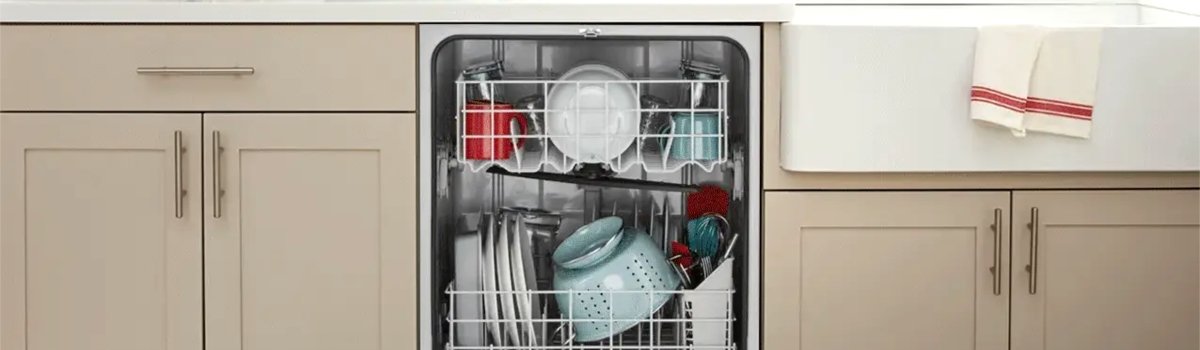
Error Code F01 on an Amana dishwasher is usually linked to an anti-flooding overflow issue. In simple terms, the dishwasher thinks there’s too much water where it shouldn’t be.
Modern dishwashers use safety systems to avoid flooding. When the control board detects that water has collected in the base, the sump, or around the safety float, it sends a signal and stops the normal cycle. Instead of running like nothing’s wrong, the machine throws F01 and may turn on the drain pump to try to get rid of the excess water.
In many cases, this doesn’t mean the appliance is ruined. It usually means:
- Water isn’t draining properly
- There’s a small leak somewhere
- The safety float or sensor is stuck or confused
Your goal is to figure out why the dishwasher thinks it’s flooding and fix the underlying cause.
Common Causes of the F01 Anti-Flooding Overflow Error
Before grabbing tools, it helps to understand what typically triggers this code. With F01, you’re usually dealing with one of a few root problems.
1. Water Stuck in the Base or Overflow Tray
Most dishwashers have a base area or tray underneath. If water collects there—even a small amount—an internal float or sensor can trigger the F01 error.
Typical reasons water ends up there:
- A slow drip from a hose or clamp
- A loose or damaged door gasket
- A cracked or loose internal hose
- Over-sudsing from using regular dish soap instead of dishwasher detergent
2. Drainage Problems
If the water can’t leave the dishwasher as it should, the appliance may think it’s overflowing, especially if water backs up into the tub.
Some common drainage issues:
- Clogged filter in the bottom of the tub
- Food debris stuck in the sump or drain area
- Kinked or pinched drain hose behind the machine or under the sink
- Improper drain hose installation, causing backflow from the sink or garbage disposal
3. Stuck or Faulty Float / Float Switch
The float is a small piece inside the tub (often shaped like a small tower or cup) that rises with the water level. When it’s too high, it tells the dishwasher to stop filling.
If the float is stuck in the “up” position or the float switch isn’t working correctly, the control board may read it as an overflow situation, leading to the F01 code—even if the water level looks normal.
4. Inlet Valve or Water Fill Issues
The inlet valve controls how much water enters the dishwasher. If it fails in the open or partially open position, the unit may take in too much water or not shut off correctly.
Possible problems:
- Debris stuck in the inlet valve
- Valve not closing completely
- Incorrect water pressure from the home supply
5. Control System Glitches
Sometimes, the dishwasher’s brain simply gets confused. A minor power surge, brief interruption, or internal glitch can cause a false overflow error.
That’s why a reset is often part of the first round of DIY checks.
Safety First: Before You Start Any DIY Work
Whenever you’re dealing with water and electrical appliances, safety is non-negotiable.
Always:
- Turn off the dishwasher using the control panel
- Unplug the unit from the wall outlet, or switch off the breaker
- Shut off the water supply if you’ll be inspecting hoses or the inlet valve
Never work inside the dishwasher with the power still connected.
Step-by-Step DIY Troubleshooting for F01
Let’s move through a logical, homeowner-friendly sequence. You don’t need to be an appliance tech to do most of these steps, but you do need to work carefully and patiently.
1. Check Inside the Tub for Obvious Problems
Start simple and visible.
Look for:
- Large utensils, trays, or pans that might be blocking spray arms
- Items that may have fallen through the lower rack and are sitting near the filter or sump
- Pooling water at the bottom of the tub that doesn’t drain at the end of a cycle
If you see standing water:
- Remove the bottom rack
- Scoop out excess water with a cup or towel before going further
2. Clean the Filter and Drain Area
A clogged filter can cause slow drainage, which can contribute to overflow issues.
- Remove the bottom rack.
- Locate the filter assembly (usually at the bottom center of the tub).
- Twist and lift out the filter, if it’s removable.
- Rinse it thoroughly under warm running water and scrub gently with a soft brush.
- Inspect the opening where the filter sits for food particles, glass, or debris and carefully remove anything you see.
- Reinstall the filter securely—an improperly seated filter can also cause problems.
Even this simple cleaning step can improve drainage and help prevent F01 from returning.
3. Inspect and Test the Float / Float Switch
The float is a key player in overflow protection.
- Find the float assembly—often on one side of the tub floor.
- Gently lift it up and let it drop several times. It should move freely without sticking.
- Check around the float for food, detergent buildup, or foreign objects, and clean the area.
If the float feels jammed, gritty, or doesn’t return to its resting position easily, clean around it more thoroughly. A stuck float can trick the dishwasher into thinking it’s overflowing.
4. Check the Drain Hose and Under-Sink Setup
If the drain hose is kinked, clogged, or installed incorrectly, water may back up and lead to an overflow condition.
Here’s what to look for:
- Behind the dishwasher, make sure the drain hose isn’t pinched by cabinets or the machine itself.
- Under the sink, trace the hose to where it connects—either to the garbage disposal or sink drain.
- Confirm the hose has a high loop or is connected to an air gap (if your local code requires it). This prevents dirty water from flowing back into the dishwasher.
If you suspect a clog:
- Disconnect the hose from the sink/disposal (place a towel or shallow pan underneath).
- Run water through the hose from a faucet or use gentle air pressure to see if it’s blocked.
- If there’s resistance, clear the blockage or replace the hose if it’s old and brittle.
5. Look for Water in the Base or Overflow Tray
If your model has a base pan or overflow tray, water sitting there can keep F01 active until it’s removed.
Typical DIY approach:
- Carefully pull the dishwasher out from the cabinet (you may need to remove mounting screws at the top).
- Tilt the unit slightly backward to see if any water drains out from the base.
- Use towels or a sponge to soak up any visible water in the base area.
If you find water, that means the anti-flood system did its job—and now your next task is figuring out where that water came from (door gasket, hose connection, pump, etc.).
6. Inspect the Door Gasket and Interior Seals
Even a small leak at the door can send water into the base over time.
Check:
- The rubber door gasket all around the opening for cracks, tears, or compressed areas.
- For soap residue or food buildup that may prevent a tight seal.
Clean the gasket with warm water and a soft cloth. If it’s physically damaged, replacement is usually the best fix.
7. Verify the Water Inlet Valve and Water Supply
If you’re comfortable going a bit deeper:
- Locate the inlet valve, typically behind the lower front panel.
- Check for visible leaks around the valve and its connections.
- Make sure the water supply line is tight and not seeping.
A valve that doesn’t close properly can allow slow, constant filling even when the dishwasher isn’t running, potentially triggering F01.
If the valve appears faulty or is constantly letting water in, this is usually a good point to consider professional service.
8. Reset the Dishwasher Electronics
After you’ve checked and corrected any physical issues, a reset can clear a stored error if the underlying problem is gone.
General reset steps (may vary by model):
- Turn the dishwasher off at the control panel.
- Unplug the dishwasher or switch off the breaker.
- Wait a few minutes to let the control board fully power down.
- Restore power and turn the dishwasher back on.
- Run a short cycle and watch the unit to see if F01 reappears.
If the code doesn’t return and the dishwasher completes a cycle, you’ve likely solved the root cause.
When You Should Stop and Call a Professional
DIY has limits. You should consider professional help if:
- F01 comes back immediately after a reset
- You keep finding water in the base tray even after drying it
- You see active leaks from internal components, not just the door
- The drain pump is constantly running but the error never clears
- You’re not comfortable dismantling panels, dealing with wiring, or testing valves
At that point, a trained technician can test electrical components, control board signals, and internal plumbing more precisely.
Preventive Tips to Avoid F01 in the Future
Once you’ve dealt with the error, it’s smart to build a few habits that help prevent it from returning.
1. Clean the Filter Regularly
Make it a routine:
- Rinse and clean the filter every 1–4 weeks, depending on how often you run the dishwasher and how heavily you load it.
- Don’t let food sludge build up in the bottom of the tub.
This simple practice keeps water flowing correctly and reduces the chance of overflow.
2. Load Dishes the Right Way
Overloading or blocking key areas can affect how water moves and drains.
Good habits:
- Keep large items like baking sheets and cutting boards away from the spray arms and sump area.
- Don’t stack dishes so tightly that water can’t circulate properly.
- Make sure nothing falls through the lower rack to cover the filter or sump.
3. Use the Right Detergent and the Right Amount
Using regular dish soap or too much detergent can cause excess suds, which can overflow into areas the dishwasher doesn’t expect.
- Only use detergent designed for dishwashers.
- Follow the manufacturer’s dosing guidelines based on water hardness and load size.
Too many suds can mimic a leak, trigger safety systems, and leave water where it shouldn’t be.
4. Keep an Eye on Hoses and Connections
Every few months, take a quick look:
- Under the sink, check the drain hose connection for damp spots.
- Check around the dishwasher for signs of moisture, discoloration, or warped cabinetry.
Catching a small leak early can save you from triggering F01 and from dealing with bigger water damage later.
5. Run Full Cycles Regularly
Letting the dishwasher sit for long periods can sometimes cause seals to dry out or moving parts to stiffen.
- Run the dishwasher periodically, even if it’s not completely full (use an eco or shorter cycle).
- This helps keep seals moist and components moving as designed.
Final Thoughts
Amana Dishwasher Error Code F01 is a warning, not a death sentence for your appliance. It’s your dishwasher telling you: “Something about the water level or drainage isn’t right, and I’m stopping before I flood your kitchen.”
By understanding what the code means, checking the filter, float, drain hose, base, and door gasket—and by following a few simple preventive habits—you can often handle F01 on your own and extend the life of your dishwasher.